


Why Business Systems for Small Businesses Matter More Than Ever
- reaedwardsva
- Feb 20
- 3 min read

Last week, I had three separate conversations that sounded almost identical.
Different businesses.Different offers.Different stages of growth.
But the same sentence:
“I feel like I’m constantly catching up.”
On the surface, their businesses looked polished. Behind the scenes? Things felt reactive, messy, and heavier than they needed to be.
And almost every time, the real issue wasn’t capability.
It was a lack of business systems for small businesses that actually support growth.
The Hidden Cost of Not Having Proper Business Systems
When small businesses don’t have strong backend structure, the impact isn’t always obvious straight away.
But it shows up in subtle — and expensive — ways.
One client had just launched a new programme… but her onboarding process was rushed and handled manually.
Another had created a brilliant lead magnet — but it had been sitting on her laptop for six months because the landing page and email automation weren’t set up.
Someone else hadn’t emailed her list in three months because she didn’t know what to say — so she said nothing at all.
These aren’t motivation problems.
They’re systems problems.
Without strong business systems:
You waste time redoing tasks that could be automated
Your client journey feels inconsistent
Your onboarding process feels improvised
Your email marketing becomes reactive instead of strategic
Potential clients quietly drop off
And over time, that affects sustainable business growth.
Why Business Systems for Small Businesses Are Now Essential
It’s never been easier to start a business.
But it’s never required this much backend structure to sustain one.
Today, small business owners are expected to:
Build an email list
Create a lead magnet funnel
Set up email automation
Nurture subscribers consistently
Show up on social media
Run communities
Deliver an exceptional client experience
All while delivering their core service.
That’s a lot.
And most brilliant founders are visionaries — not systems managers.
Which is exactly why business systems for small businesses are no longer optional. They’re foundational.
What Strong Business Systems Actually Do
Good systems don’t make your business robotic.
They make it lighter.
When your backend structure is working properly:
Your client journey flows naturally from “hello” to “thank you”
Your onboarding process feels seamless and professional
Your email automation nurtures leads consistently
Your lead magnet funnel works in the background
You stop constantly feeling behind
The goal isn’t to do more.
It’s to build foundations that support sustainable business growth.
Where to Start (Without Overhauling Everything)
If your business feels “held together with sticky tape,” don’t panic.
You don’t need to fix everything at once.
Start here:
1. Map Your Client Journey
From first contact to final delivery — where are the gaps? Where does it feel manual or rushed?
2. Identify the Most Chaotic Area
Is it your onboarding process?Your email marketing?Your lead magnet funnel?
Choose one.
3. Build One Proper System
Set it up fully. Test it. Refine it.
Momentum doesn’t come from adding more tasks.
It comes from strengthening your business systems.
Sustainable Business Growth Starts Behind the Scenes
If you constantly feel like you’re catching up, it’s not because you’re incapable.
It’s likely because your business systems for small businesses haven’t caught up with your growth.
And that’s fixable.
Small improvements to your backend structure can completely change how your business feels to run — and how secure your clients feel inside it.
If this resonates, I’d love to know:
What part of your business currently feels the most unstructured — your client journey, onboarding process, or email automation?
Because often, the smallest system upgrade creates the biggest shift 💜
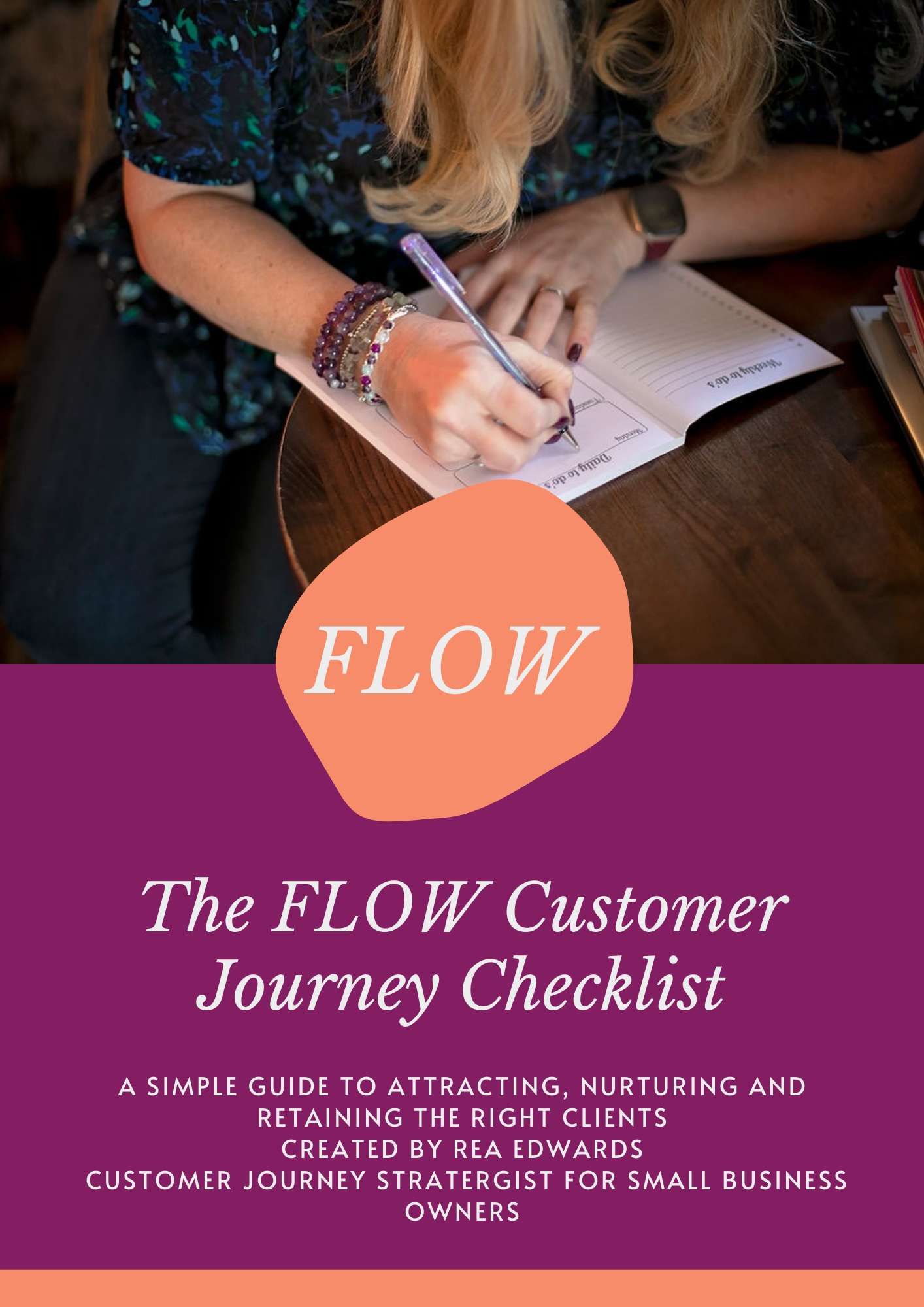
If you’d like help mapping your client journey and identifying system gaps, download my free The FLOW Customer Journey Checklist.
It’ll show you exactly where your backend needs strengthening — and where to start.

Comments